Clem's Fish
Sauce
 A
pungent and savoury brew arising from rotted down fish has long
been a culinary flavour ingredient through time. The ancient
Romans made a product called garum which was simply fish,
salted and allowed to ferment for weeks after which a liqiud was
tapped for use in cooking. If this sounds like the fish sauce
that we are familiar with today, it is because that is what fish
sauce is.
A
pungent and savoury brew arising from rotted down fish has long
been a culinary flavour ingredient through time. The ancient
Romans made a product called garum which was simply fish,
salted and allowed to ferment for weeks after which a liqiud was
tapped for use in cooking. If this sounds like the fish sauce
that we are familiar with today, it is because that is what fish
sauce is.
As a fermentation
microbiologist, I have always said that the ancients and the
poor had ways in which they increased the nutritional value of
their foods by simply allowing controlled rotting. By
controlled, I mean the breakdown action by "good" rather than
"bad" microbes. The breakdown products are more
digestible/nutritive substrates (amino acids versus native
proteins), essential nutrients such as vitamins, and
importantly, flavour compounds which impart umami to
one's taste buds.
In
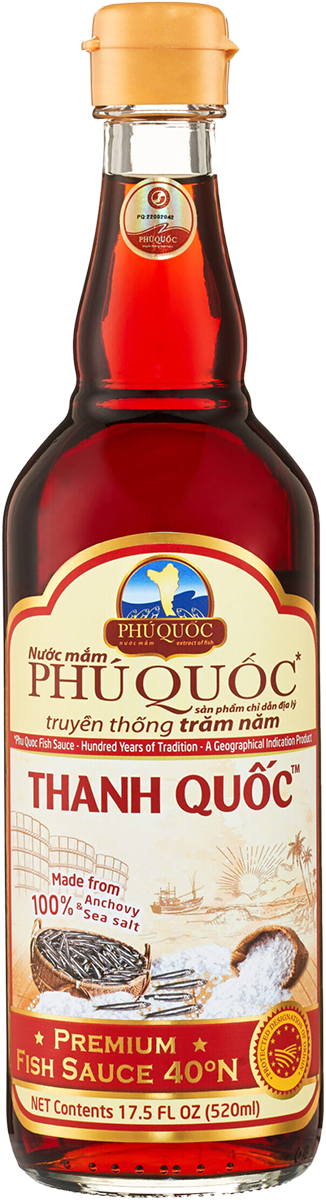
Vietnam, the island of Phu Quoc is the home of the country's
famous fish
sauce. It has European Union Protected Designation of Origin (PDO)
and was Vietnam’s first product with Geographical Indication
(GI) status.
The production of traditional Phu Quoc fish sauce starts with the island's Black Anchovies being immediately salted after being caught before the fish are even landed. The process continues on land where the salted anchovies are fermented in braided bamboo barrels for between a year to year and a half. Every now and then, the amber liquid which begins to form is tapped at the bottom of the barrel and returned to the top to make for mixing of the fermenting brew.
At the end of the brewing, the first tapping is the most prized. Further tappings may or may not include the use of salt water to help extraction. The process seems rather simple to replicate but the uniqueness of each country/region's fish sauce can be attributed to the fish used (and their diets), the type of salt, the barrelling, the brew time and so on. Premium fish sauces will have their oN value displayed on their labelling. The higher the N value, the higher the total nitrogen content in g per litre. The N value is a measure of how much protein is indicated in the sauce. The higher the protein content, the better supposedly is the sauce (other things being equal).
I was surprised by finding fresh anchovies at a fish monger today. I have been on the look out for them for a couple of years and haven't seen them until today. So I bought 1 kg to make my very own first fish sauce - something I have wanted to do for a long time.
Using researched
methodology, here's is the first blog (follow ups to come
through the ferment) of how I made my fish sauce:
NOTE:
You are making a food product.
Practice personal and prep area hygiene; use clean utensils and
containers.
- Wash the anchovies well through several changes of water until there is no trace of blood or fish scales.
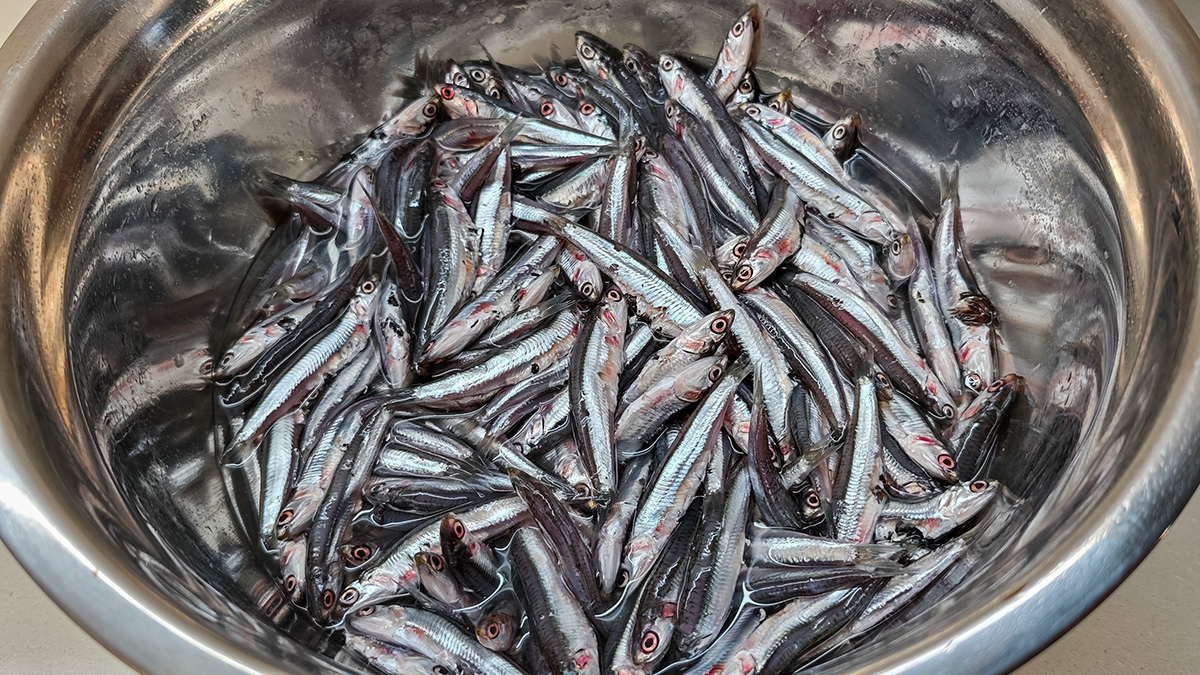
Australian anchovies after
washing.
- Drain all water from the
fish (important so that the added salt is not diluted).
- For 1 kg of fish, you
need 333 g of natural sea salt (not iodized).
The ratio of fish to salt is 3:1.
Use 300 g of salt to mix in and the rest to layer on top of the packed fish later.
The amount of salt is critical for (a) the end saltiness of the fish sauce - not good to be too salty (b) creating the correct environment to deter pathogenic bacteria while allowing beneficial halophillic bacteria to proliferate and breakdown the fish proteins and fats.
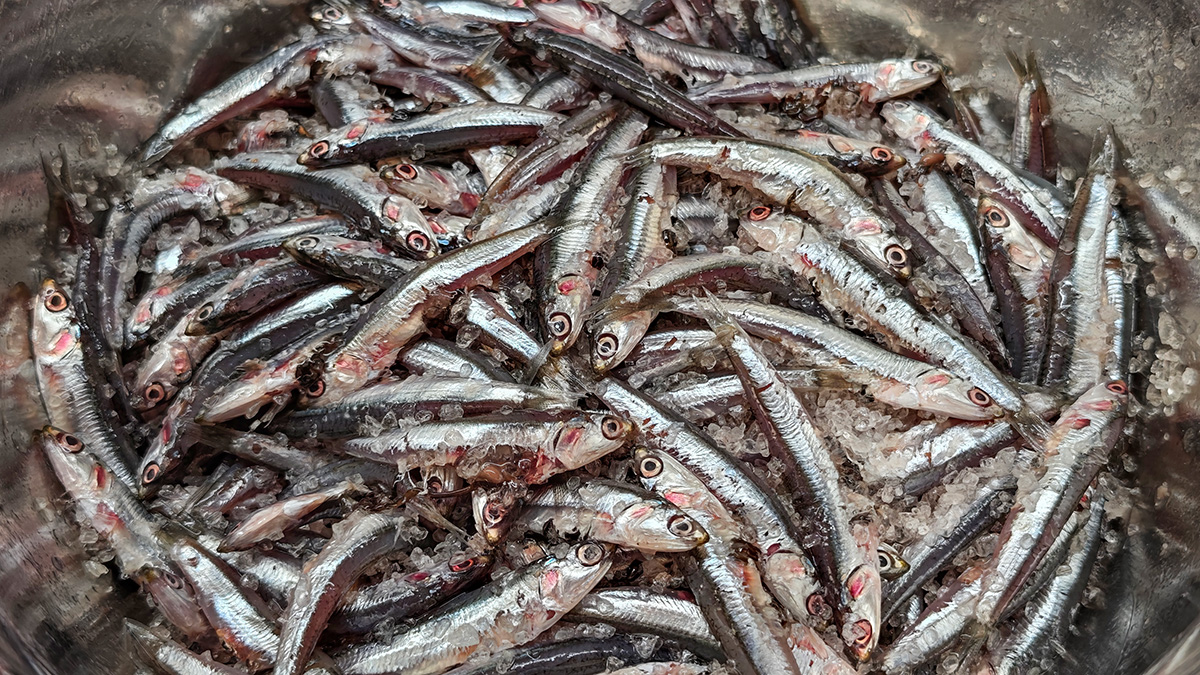
The anchovies after mixing
in with salt.
- Mix well and then place
the salted fish into a container with a lid.
Pack the fish down tight and layer the last of the salt over the top.
- Close the lid tightly to
prevent smells escaping and pests crawling in.
You may need to "burp" the lid every now and then to let any gases formed escape.
- Leave the jar of fish to
ferment in a warm corner of your house for at least 12
months; more if you have patience.
In a place with winter, fermentation will be slower.
The 12 - 18 months used by the Vietnamese is practice in a rather warm climate.
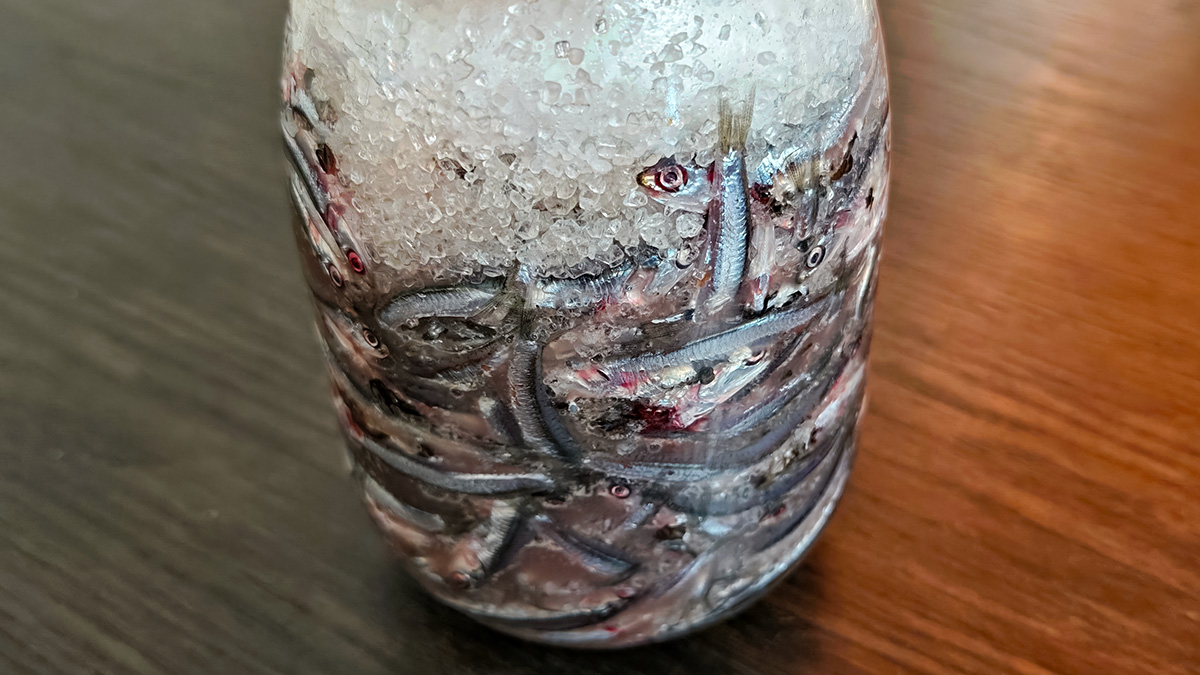
This is Day 0.
Salted anchovies deposited in the fermentation jar.
They will be left to ferment for at least 12 months.
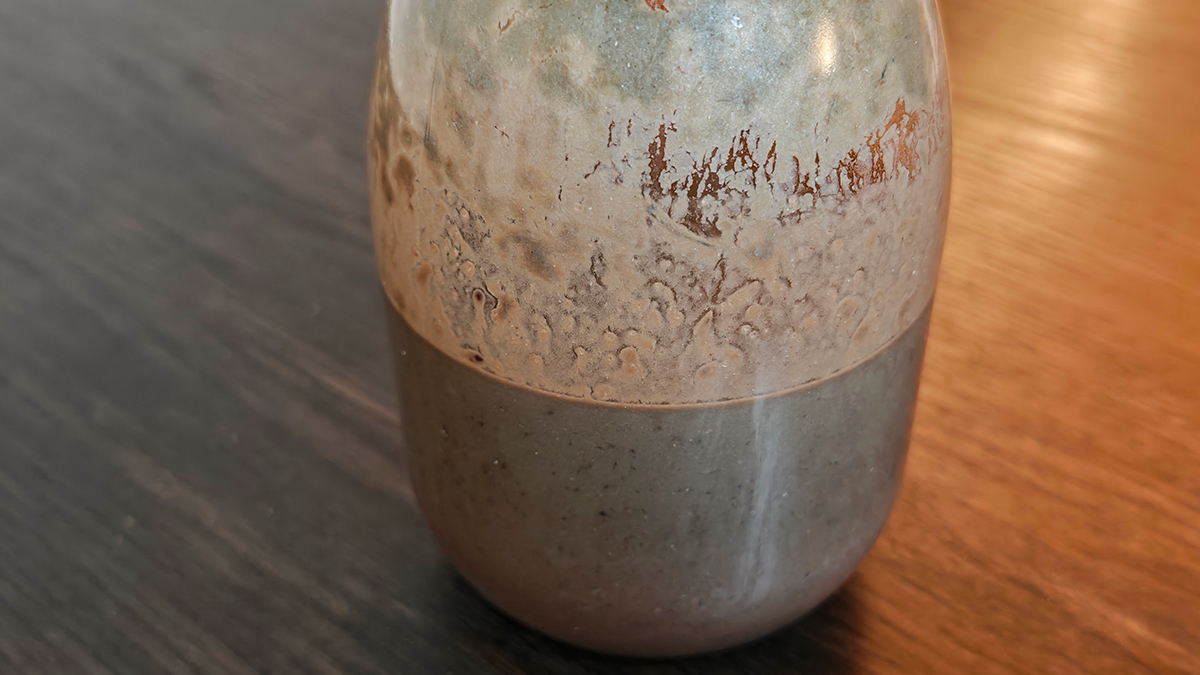
This is 2 months into the
ferment.
The anchovies have completely disintegrated and a grey/brown
liquid mass now sits in the jar.
When allowed to settle overnight, a small, clearer liquid phase
appears at the top of the ferment above the particulate
material.
30 September 2026
I shall make updates on the progress of fermentation in the following months.
31 July
2026
Created by Clem Kuek
